Creators take center stage.
Hollywood's paying more attention to the people who greenlight themselves.
First published on Creatorama ↗
Hi, all—it’s hard as ever to keep up with everything going on in creatordom. I’m just back from a week in Lisbon, where we had the board meeting and companywide offsite for London’s Electrify (I’m an investor and chair of their board). Along with creator partners like Veritasium, Simpli (makers of YouTube’s punk rock 60 Minutes, fern), newest investment The Rundown, and Mentour Pilot, who are doing an amazing job right now covering the FlyDubai incident, we had guest speakers from top creator-founded studios like Complexly, Kurzgesagt, and Mark Rober’s nonprofit, Class CrunchLabs, making it an unofficial gathering of people trying to make the world a smarter place. In between sessions, we were checking out the final cuts and thumbnails for Veritasium’s new spin-off channel Ingenius, which just launched its first episode, hosted by one of my favorite people, Radiolab’s Latif Nasser. Check out the first five minutes below, or the full episode here. We were also excited to see YouTube CEO Neal Mohan list Veritasium on his NY Times Best TV Shows of the 21st Century ballot (along with Cleo Abram’s Huge if True).
In other personal news, a startup I’ve been working with since last year launched last week: Studio Jadu, whose goal is to help independent creators make, distribute, and monetize their own animated shows, and create IP without the traditional gatekeepers. With a founding team from TikTok, YouTube, Disney, and Hugging Face, they’ve built a platform and process that requires creators to make all the key decisions (including writing the scripts and producing and uploading the storyboards), then leverages AI models to produce series with small dedicated teams It’s not a replacement for the work of full-budget animation studios, who are still capable of making mindblowing masterpieces profitably, like last year’s Chainsaw Man movie, and who also are building AI into their workflows—but it is a way for many more creators to get an animated idea out there, like I got to do in writing their first series, and build an audience without waiting for someone to give them a green light. I have a lot more thoughts about creators and AI and how we all come to terms with this new technology, but saving that for another post later this week.
Meanwhile, creators continued to move the culture. Some highlights:
Amelia Dimoldenberg became the first YouTube creator to host Saturday Night Live. It was SNL UK, not the mothership (though SNL UK’s pretty great so far) and it’s not counting hosts with pre-fame YouTube runs like Justin Bieber, Donald Glover, Awkwafina, Dua Lipa, or Timotheé Chalamet. Amelia’s the first working creator to do it, and she went for it, featuring in every sketch and not playing it safe with the monologue.
If you don’t know Amelia, she’s become an icon for creating Chicken Shop Date over more than ten years, where she’s had deliciously awkward conversations with dozens of celebs (her work as an Oscars red carpet interviewer is equally stellar). The last series of the show just kicked off, as she has new projects like a romcom in the works, and you can watch it on Netflix now as well, though I can’t imagine watching the show without the YouTube comments, which are at least half the fun.
Other people having great weeks:
Feed Me CEO/creator Emily Sundberg was featured in the Time100 Next 2026 of innovators, leaders, and artists, along with Druski, Curry Barker, and Alex Consani. Ankler founder Janice Min notes in the profile that Feed Me has “become a phenomenon—the kind of thing everyone in media seemed to be reading and discussing”—and that’s certainly been my experience: every smart media person I know is a fan.
Pooja Tripathi celebrated 100 episodes of Brooklyn Coffee Shop with a packed party of NYC creators and friends thrown with Instagram for TV at Lighthouse BK. It’s a great time to be a creator in NYC, with the whole city a massive soundstage for countless shows, and The New York Times did a long feature on it: Why New York City is a Paradise for Creators.
Breakout microdrama writer/director Kristen Brancaccio (from Issa Rae’s megahit “Screen Time,” among others) just got a deal for her first feature film. Kristen used to be part of our YouTube Next Lab team, and worked on The Key of Awesome back in the day, and is super smart and talented—so happy for her.
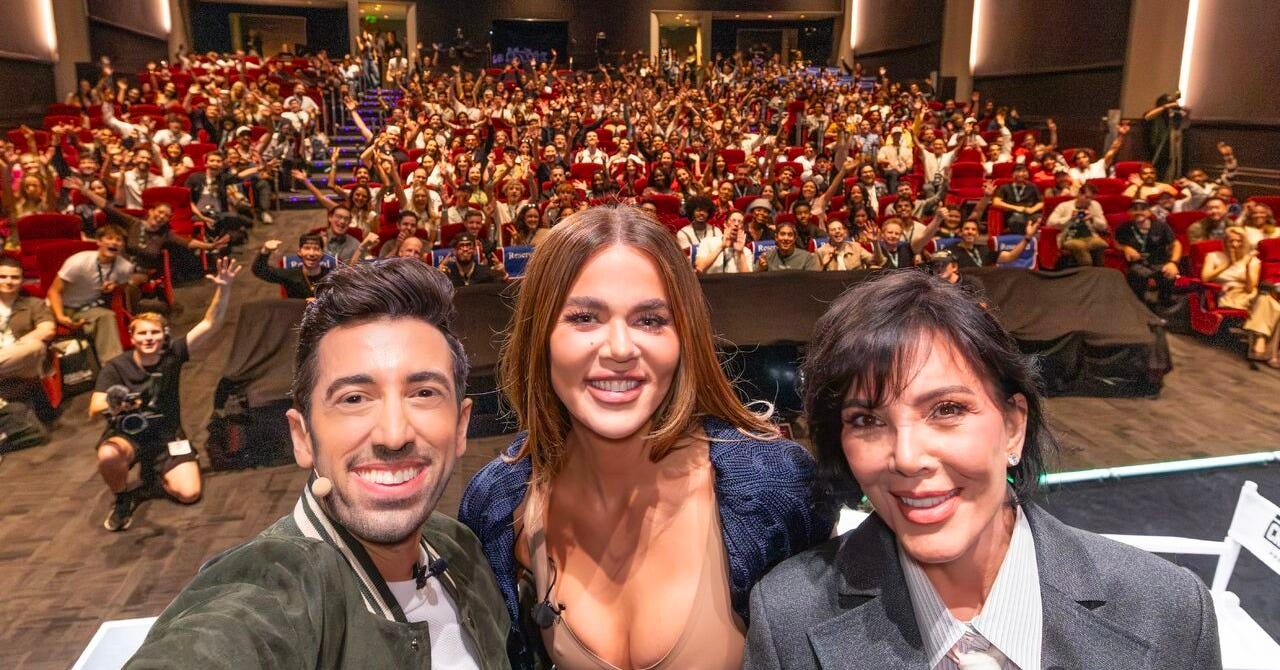
Speaking of former YouTube teammates turned creators, Jon Youshaei pulled off an amazing Created in LA event with over 350 creators and at least two Kardashians in attendance at Disney Studios and the El Capitan Theater. Jon’s channel, where he shares insights and learnings from top creators like Mr Beast, Casey Neistat, and Marques Brownlee, is a must-watch if you’re reading this newsletter. (I worked with Jon worked on YouTube Rewards, among other things—those iconic gold buttons—and with nearly 900K subs, he’s on track to get one of his own this year.)
The last few weeks have also brought countless stories about brands, studios, and investors investing more heavily in the creator economy—for example, WME accouncing their Creator Labs, headed by YouTube and Meta alum Joanne Lee, Scalable’s coverage of creators on startup cap tables, articles by Digiday and Inc. about new ways brands are focusing more of their marketing efforts on creators, and The Wrap covering the rising interest of media M&A in creator businesses.
The conversation spilled over to The Town with Matthew Belloni, who dove into Hollywood’s rising interest in creators with producer and investor Saul Goldberg, who gave a nice mention to Electrify’s work.
Matt and Saul’s conversation comes at a time when some of the biggest creators in traditional media are wrestling with uncertainty in their own business—last week we all learned that the Paramount-Warner merger was going ahead, and one of the first changes in the combined companies was the announced exit of Mike De Luca and Pam Abdy, who in their time at Warner built a reputation of taking big swings on the visions of filmmakers like Ryan Coogler, Zach Cregger, Emerald Fennell, and Paul Thomas Anderson, leading to hits like Weapons, Sinners, Wuthering Heights, and One Battle After Another (and some misses but future cult classics like Digger and The Bride). Donna Langley at NBCUniversal also had a massive box office year thanks to a strategy of being a home for top creators like Christopher Nolan, Taylor Sheridan, and Curry Barker, and didn’t love the idea of one less studio in town. The new Skydance has committed to making as many movies as Paramount and Warner did before, and being “creative-first”—but Hollywood has already seen a drop in movies and television being made as the streamers and studios consolidated the past few years, with a corresponding loss of nearly a third of TV and film jobs in the LA area alone—and right around the corner, everyone is wary of the disruption and competition coming from AI—which online creators have already been grappling with for the past year. But more on that next time.
today’s vid: jack coyne on the rise
Thanks for reading! Related to the NYTimes piece above, Jack Coyne is building one of the most exciting new creator studios here in New York, pulling in 3M views daily with made-for-social shows like Track Star and Public Opinion. Colin and Samir tell his story here.