Creators invade the multiplex
How the internet cat industrial complex explains this week’s box office
First published on Creatorama ↗
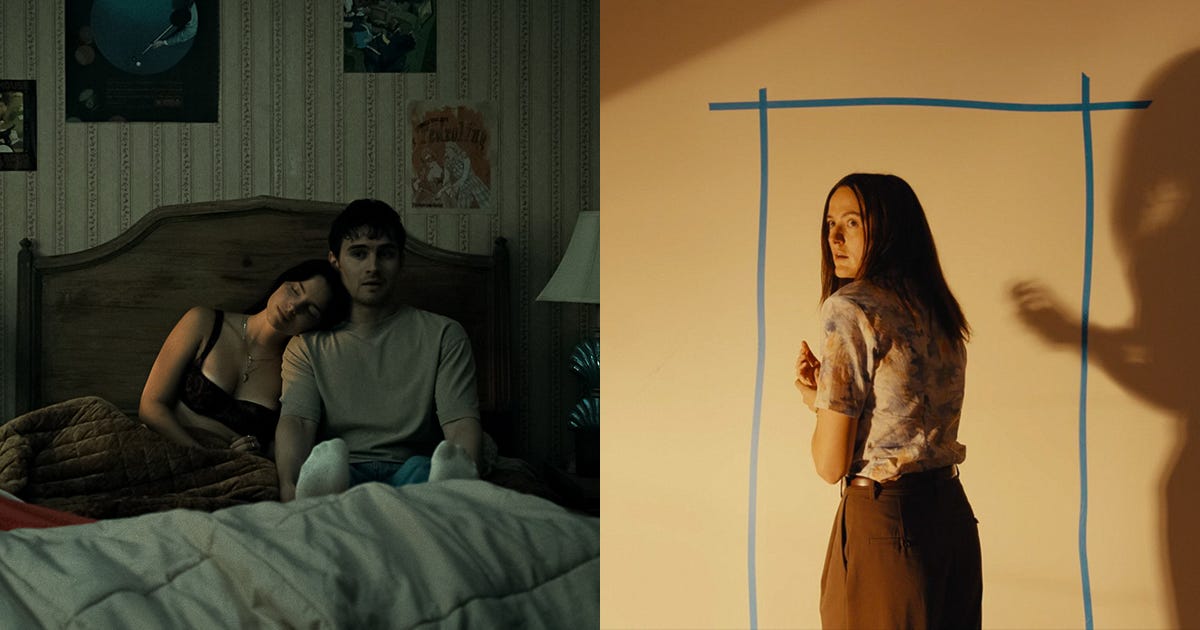
Everyone said the movies were dying. Attendance was in decline year after year as people watched at home, studios were hemorrhaging money and getting swallowed in mergers, and a string of flops from A-list filmmakers and stars led people to publicly worry that movie theaters could become a thing of the past. But then a trio of young filmmakers from outside of the system got their hands on the keys, and shocked the industry by making a bunch of runaway blockbusters on modest budgets.
I’m talking, of course, of the 1970s, and the rise of Spielberg, Lucas, and Coppola, as well as films like Easy Rider, Halloween, and Rocky, which led to massive returns and signaled a new way forward for the movie business. But it sounds a lot like the last few weeks, when Markiplier, Curry Barker, and now Kane Parsons have launched a thousand thinkpieces about the rise of YouTube filmmakers and a new formula for success.
Movies are hard to kill, because they’re still the most widely accessible and affordable form of communal entertainment we have. As long as we have teenagers needing someplace to go with their friends, or couples or families looking for something to do on a weekend, a good movie’s still hard to beat.
What’s changed the last twenty years is that movies have now also become in-person gathering places for fandoms, and the communities that organize and sustain them online. This is a big reason Marvel ruled the box office the past two decades, and video game IP movies are now on the rise—they can tap into deep and passionate fanbases for first week audiences, and live or die in the following weeks on their word of mouth and wider appeal.
Genre entertainment, especially horror and sci-fi, has always had its fans—and everything that goes with them, like niche magazines, conventions, and merch—but they also now have always-on, connected communities talking and sharing, and some of those fans become creators and filmmakers themselves, and start building their own fanbases online.
The new auteurs may have earned their chops via YouTube instead of NYU or USC, but they come with those built-in fanbases that turn into their early evangelists and promoters, first gathering on premiere weekends as must-attend community events, then spreading the word to wider audiences: the diehard genre fans, then moviegoers at large. Since the creators are fans themselves, they already represent a wider community and potential audience for their work than the cumulative number of subscribers or views on their channels. When we see a movie like Obsession go bigger and bigger every weekend—the first movie to do that since Spielberg’s E.T.—we’re seeing the phenomenon in action of each group of movie fans activating the next larger one.
My good friend kenyatta cheese has been thinking about fan communities for years—and building them for shows like Doctor Who and movies like A Complete Unknown at his agency Everybody At Once, where I’m an advisor. Kenyatta has long talked about the power of dense, tightly woven communities to platform things to ubiquity, like in this 2018 Verge article:
“The internet doesn’t actually love cats. But there is this very dense, highly connected internet cat industrial complex — people who really love cats who are super well-connected to each other across several platforms, such that if you put just the right cat video in front of somebody, they can get it out to so many cat lovers that all of a sudden you’ll see it replicated 10 times in your Facebook feed.”
Some other recent examples of the power of creators’ fanbases and the broader communities they touch include Dropout’s blockbuster Kickstarter campaign, the Sidemen’s sold-out Wembley charity match, and Milana Vayntrub’s fundraisers for LA fire victims.
Creators’ fan communities exist within constellations and clusters of adjacent and often larger communities, as things like Jeremy Miller’s TikTok map or Evan Shapiro’s Creator Economy map illustrate.
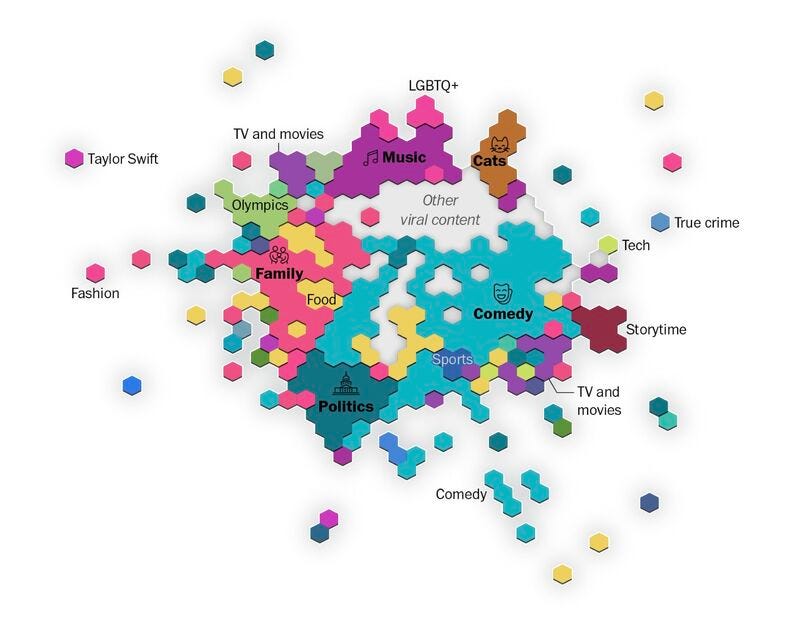
Breakout creators like Markiplier, Parsons, and Barker are inherently skilled at making things that can travel across those communities and spark passion and participation—in part because they’re really talented, but also because they came up in those fan communities themselves. And this makes them not so different from Spielberg, Lucas, and Coppola, also lifelong movie fans who ended up giving the business new life.
More to read:
-
The YouTuber Hollywood gold rush (Ryan Broderick/Garbage Day)
-
‘Obsession,’ ‘Backrooms,’ and What YouTube Can Teach Movies (Sean Fennessey)
This week’s video: a very funny Martin Herlihy film, mercilessly cut-for-time from the SNL season finale.
Note: We’ll be talking about the new playbook of fandom next week at the Media Universe Summit, where I’m moderating a talk with the aforementioned Kenyatta Cheese and with The Try Guys’ co-creator and CEO Zach Kornfeld, who’s leveraging this playbook every day to build a multi-show business including a subscription service, merch, and more, and I’ll share everything we talked about here. I don’t get any cut of this, but if you’re interested in going, you can upgrade your pass and get $200 off with the code ESHAP200.